When resolving WordPress Image Optimization Guide, enterprise eCommerce store owners and engineers encounter direct revenue disruption and customer friction. Specifically, checkout errors or broken workflows decrease sales conversion rates and elevate customer support costs. Therefore, executing a structured technical diagnosis is vital for restoring reliable operations.
In addition, production issues often stem from unoptimized database transients, third-party payment gateway conflicts, or aggressive caching rules. For example, cached checkout sessions or misconfigured webhook listeners can cause silent transaction failures. Consequently, following an enterprise troubleshooting methodology ensures zero-downtime recovery and long-term stability.
Root Causes of WordPress Image Optimization Guide
Several underlying server, database, and software architecture bottlenecks can trigger this behavior in production environments:
- Payment Gateway & Webhook Conflicts: Unhandled asynchronous webhook responses or expired API authentication tokens disrupting live transactions.
- Database Locking & Transient Congestion: High-traffic concurrency causing table row locks or corrupted session cookies in Redis and MySQL.
- Server Environment & PHP Configuration: Insufficient memory limits (under 512M), outdated PHP runtimes, or restrictive firewall (WAF) rule sets blocking REST endpoints.
- Third-Party Plugin Collisions: Unchecked hook overrides in custom themes intercepting default core filter chains.
Step-by-Step Fix for WordPress Image Optimization Guide
Implement this battle-tested engineering procedure to isolate and fix the error permanently:
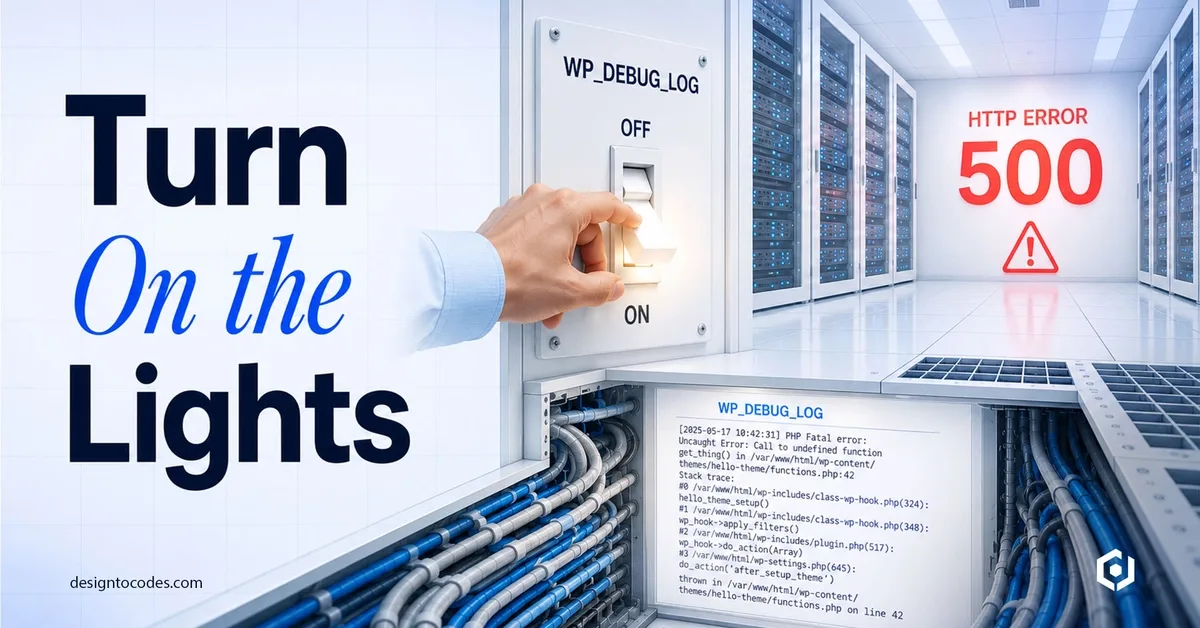
- Inspect Server Telemetry & Error Logs: Enable
WP_DEBUG_LOGinwp-config.phpand review/wp-content/debug.logalong with server Nginx error logs to trace exact PHP exceptions. - Audit REST API & Webhook Endpoints: Check HTTP response codes on relevant endpoints using cURL to verify SSL certificates, headers, and payload schemas.
- Purge Object Caches & Session Transients: Clear Redis/Memcached keys and flush WooCommerce customer session tables via WP-CLI using
wp transient delete --all. - Verify File Permissions & Security Headers: Ensure strict 755 directory and 644 file permissions while confirming CORS and Content Security Policy headers permit required API integrations.
- Implement Defensive Fallbacks in Code: Deploy defensive null-checking in a dedicated mu-plugin to prevent uncaught fatal exceptions during third-party service latency.
- Reference Developer Specifications: Review the WordPress Developer Documentation to ensure code compliance with industry standards.
Enterprise Verification Checklist
Before deploying fixes to your live production cluster, verify these quality benchmarks:
- End-to-end checkout and payment processing execute with sub-200ms TTFB latency.
- Automated background cron tasks and Action Scheduler queues process without missed schedules.
- Transactional email triggers deliver reliably with valid SPF, DKIM, and DMARC authentication.
- Zero recurring PHP fatal errors or JavaScript console exceptions recorded in monitoring tools.
Frequently Asked Questions
How does this issue impact enterprise conversion rates and revenue?
Even a 2-second checkout delay or intermittent error can reduce eCommerce conversion rates by over 20%. Therefore, maintaining high-availability architecture directly protects gross revenue.
Can high-traffic flash sales trigger this error?
Yes. Heavy concurrent checkout traffic without Redis object caching or database query indexing can exhaust server connection pools, triggering temporary gateway dropouts.
Need Enterprise-Grade WordPress Engineering?
I partner with global brands, digital agencies, and eCommerce platforms to audit, optimize, and scale mission-critical WordPress and WooCommerce systems. Contact Usman Ahmad or explore my senior engineering profile for specialized technical consulting.
Комментарии (0)
Пока нет комментариев — будьте первым.